The Roof Problems Many Homeowners Miss At First
Some roofing issues are obvious after storms or heavy rainfall, but many problems develop slowly over time. Roofs are constantly exposed to wind, rain, temperature changes, and moisture, which gradually wear down roofing materials and structural components.
Common early warning signs include:
- Small damp patches on ceilings
- Loose or cracked roof tiles
- Water marks in loft spaces
- Damaged chimney flashing
- Sagging guttering
- Moss growth trapping moisture
- Debris collecting in gutters after bad weather
While these issues may seem minor initially, they can allow water to enter the roof structure and create long-term damage if ignored.
What Are The Earliest Signs Of Roof Damage?
One of the most common questions homeowners ask is how to identify roof damage before leaks become severe.
In many cases, the earliest signs include subtle changes around the property rather than major visible failures.
Some of the first warning signs can include:
- Increased draughts in loft spaces
- Damp smells upstairs or in the attic
- Small cracks around chimney mortar
- Discoloured ceiling patches
- Tiles appearing uneven from ground level
- Overflowing gutters during rainfall
These problems often indicate that roofing materials are beginning to deteriorate or that water is entering the roof system gradually.
Damaged Or Missing Roof Tiles
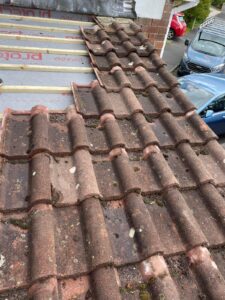
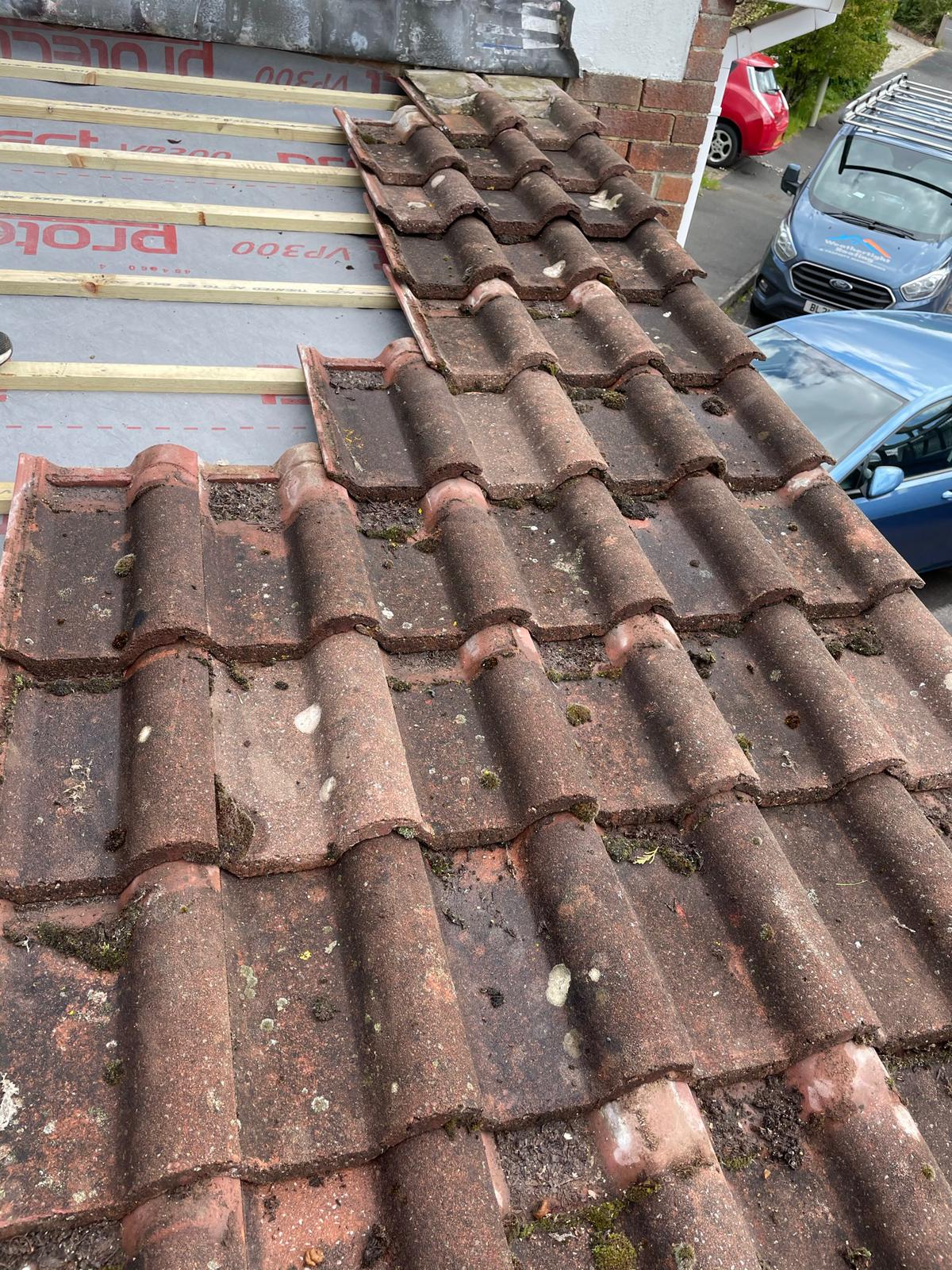
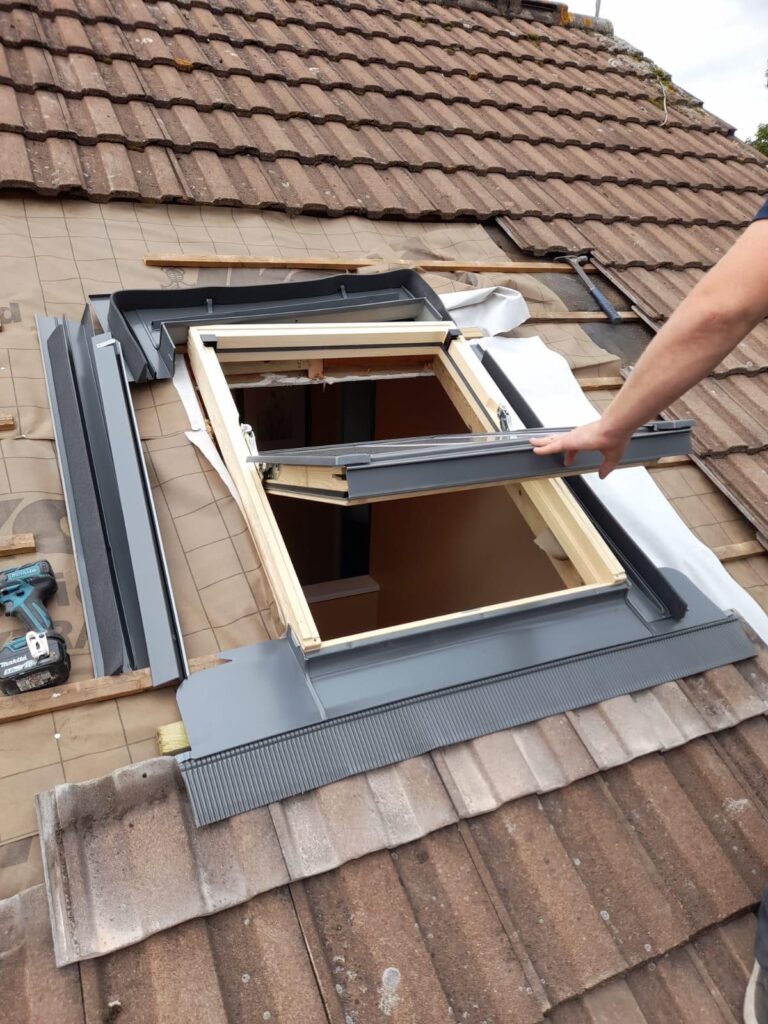
Broken, slipped, or missing roof tiles are one of the clearest signs that roofing repairs may be needed. Even a single damaged tile can expose the underlay and roof structure to water ingress.
Tile damage is commonly caused by:
- High winds
- Freeze-thaw weather cycles
- Age-related wear
- Falling debris
- Movement in the roof structure
Properties with older slate or Yorkshire stone roofs can be particularly vulnerable as ageing materials become more brittle over time.
If you notice visible tile damage or debris around the property, it may be worth arranging a professional assessment through our roof repair services.
Damp Patches And Water Stains Indoors
Internal moisture is often one of the earliest indicators of hidden roofing issues. Water entering through damaged flashing, valleys, or roofing materials may travel through the structure before becoming visible inside the property.
Warning signs include:
- Brown ceiling stains
- Bubbling paint or plaster
- Damp patches near chimney breasts
- Mould growth in loft spaces
- Condensation that appears unusually persistent
Many homeowners assume these problems are caused purely by condensation, but roof defects can often contribute to trapped moisture and water ingress.
Chimney Flashing And Mortar Deterioration
Chimneys are a common weak point on many roofs because they rely on flashing and mortar joints to remain watertight.
Over time, exposure to rain, frost, and wind can cause:
- Cracked mortar joints
- Loose flashing
- Gaps around chimney bases
- Water penetration near chimney stacks
These problems often develop gradually and may not become obvious until leaks begin affecting internal ceilings or loft spaces.
Our chimney repair services cover repointing, flashing replacement, and structural chimney repairs for both traditional and modern properties.
Flat Roof Warning Signs That Are Often Ignored
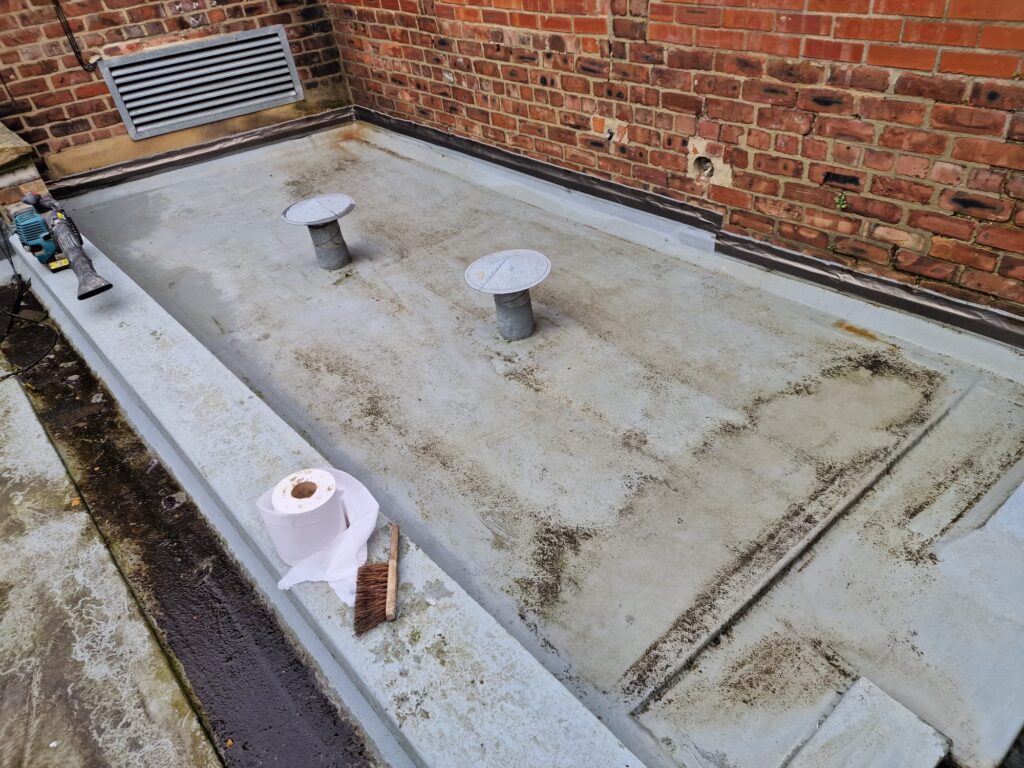
Flat roofing problems are not always immediately visible from inside the property. In many cases, small defects worsen over time before internal damage becomes noticeable.
Signs of flat roof deterioration can include:
- Pooling water after rainfall
- Blistering or bubbling surfaces
- Cracks in roofing membranes
- Sagging areas
- Moss or algae build-up
Flat roofs on garages, extensions, and commercial buildings should be inspected regularly to identify membrane wear before leaks develop.
You can learn more about common flat roofing systems on our flat roofing page.
Why Roof Damage Often Gets Worse During Winter
Roofing problems tend to worsen during colder months due to freeze-thaw cycles and prolonged rainfall. Water entering small cracks can freeze overnight, expand, and gradually widen gaps in tiles, mortar, and flashing.
Across West Yorkshire, roofs are regularly exposed to:
- Heavy rainfall
- Strong winds
- Frost damage
- Moisture retention
- Moss growth caused by damp conditions
This is why many homeowners only discover roofing issues during periods of sustained bad weather.
The UK Met Office regularly highlights how prolonged wet weather increases the risk of property damage caused by water ingress and structural wear.
When Should You Arrange A Roof Inspection?
A professional inspection may be worth considering if you notice:
- Repeated leaks during rain
- Loose or visibly damaged tiles
- Water stains indoors
- Sagging roof sections
- Debris falling into gutters
- Damp smells in loft spaces
Early inspections help identify problems before more extensive structural work becomes necessary.
For urgent situations involving active leaks or storm damage, our emergency roof repair service may also be relevant.
Simple Ways To Reduce The Risk Of Roof Damage
Preventative maintenance can significantly reduce long-term roofing costs.
Helpful steps include:
- Checking gutters regularly
- Removing moss build-up safely
- Watching for slipped tiles after storms
- Monitoring loft spaces for moisture
- Arranging occasional professional inspections
These simple checks can often identify small problems before they become more disruptive and expensive.
You may also find our guide on common roofing problems in West Yorkshire useful for understanding how local weather conditions affect roofing systems.
Frequently Asked Questions
Protect Your Roof Before Small Problems Become Bigger Repairs
Many roofing issues start with small warning signs that are easy to overlook. Acting early can help prevent more extensive structural damage, reduce repair costs, and protect the long-term condition of your property.
If you have noticed signs of roof damage or would like professional advice about the condition of your roof, Alta Roofing can provide inspections, practical recommendations, and reliable repair solutions across the surrounding areas.
You can contact our team here to arrange a roofing inspection or discuss any concerns about your property.
Share this post