
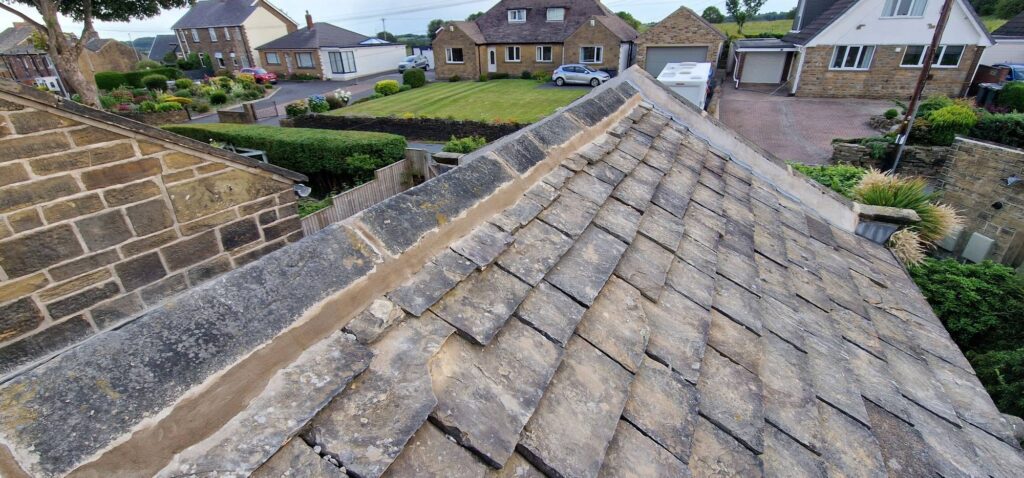
Many emergency roof repairs begin as relatively small problems that go unnoticed. A cracked tile, damaged flashing or blocked gutter might not seem urgent at first, but over time these minor issues can allow water into the roof structure, leading to leaks, damp and more extensive damage.
The good news is that regular roof maintenance can significantly reduce the likelihood of unexpected roofing emergencies. While it cannot prevent every problem, routine inspections and preventative maintenance help identify issues early, giving you the opportunity to deal with them before they become costly or disruptive.
The Short Answer For Property Owners
Yes, regular roof maintenance can help prevent many emergency repairs.
Checking your roof periodically, keeping gutters clear and arranging professional inspections when necessary can identify problems before they worsen. Although severe weather and accidental damage cannot always be avoided, maintaining your roof reduces the risk of small defects developing into urgent repairs.
Preventative maintenance is often far less disruptive than dealing with a leaking roof during heavy rain or arranging emergency work after storm damage.
Why Small Roofing Problems Often Become Emergencies
Roofs are exposed to changing weather conditions throughout the year. Wind, rain, frost and temperature changes all gradually affect roofing materials.
When left unattended, these defects can allow water to enter the roof structure. By the time a leak becomes visible inside your property, the underlying problem may have existed for weeks or even months.
This is why early maintenance is often far more effective than reactive repairs.
Many roofing issues develop slowly, including:
- Cracked or slipped tiles
- Loose ridge tiles
- Worn lead flashing
- Damaged pointing around chimneys
- Blocked gutters
- Minor flat roof membrane damage
What Does Regular Roof Maintenance Involve?
Roof maintenance does not always mean carrying out repairs. Much of it involves monitoring the condition of the roof and identifying potential issues before they develop further.
These checks help build a clearer picture of the roof’s overall condition and whether any preventative work is needed.
Typical maintenance includes:
- Visual roof inspections
- Checking for damaged or missing tiles
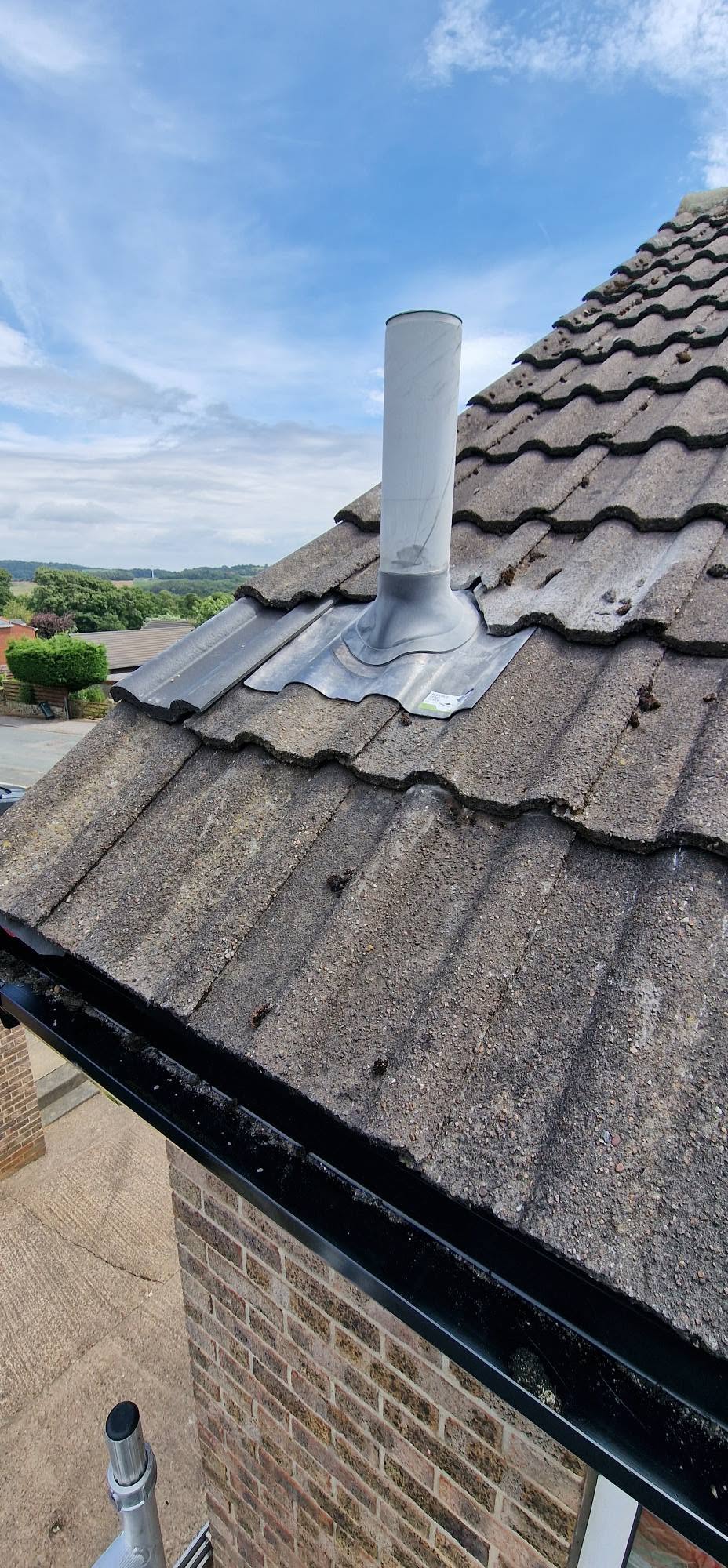
- Inspecting flashing around chimneys
- Looking for signs of roof movement
- Clearing gutters and downpipes
- Checking fascias and soffits
- Monitoring flat roofs for standing water or membrane damage
Which Roofing Problems Are Often Preventable?
Not every emergency can be avoided, but many common roofing issues develop gradually.
Leaks Caused By Damaged Tiles
A single slipped or cracked tile may seem insignificant, but it can expose the layers beneath to water ingress. Replacing damaged tiles early often prevents larger repairs later.
Blocked Gutters
Leaves, moss and debris can prevent rainwater from draining properly. Overflowing gutters may direct water back towards the roof edge, increasing the risk of damp and timber deterioration.
Chimney Deterioration
Mortar joints and lead flashing naturally wear over time. Routine inspections can identify early signs of deterioration before water begins entering around the chimney.
Flat Roof Wear
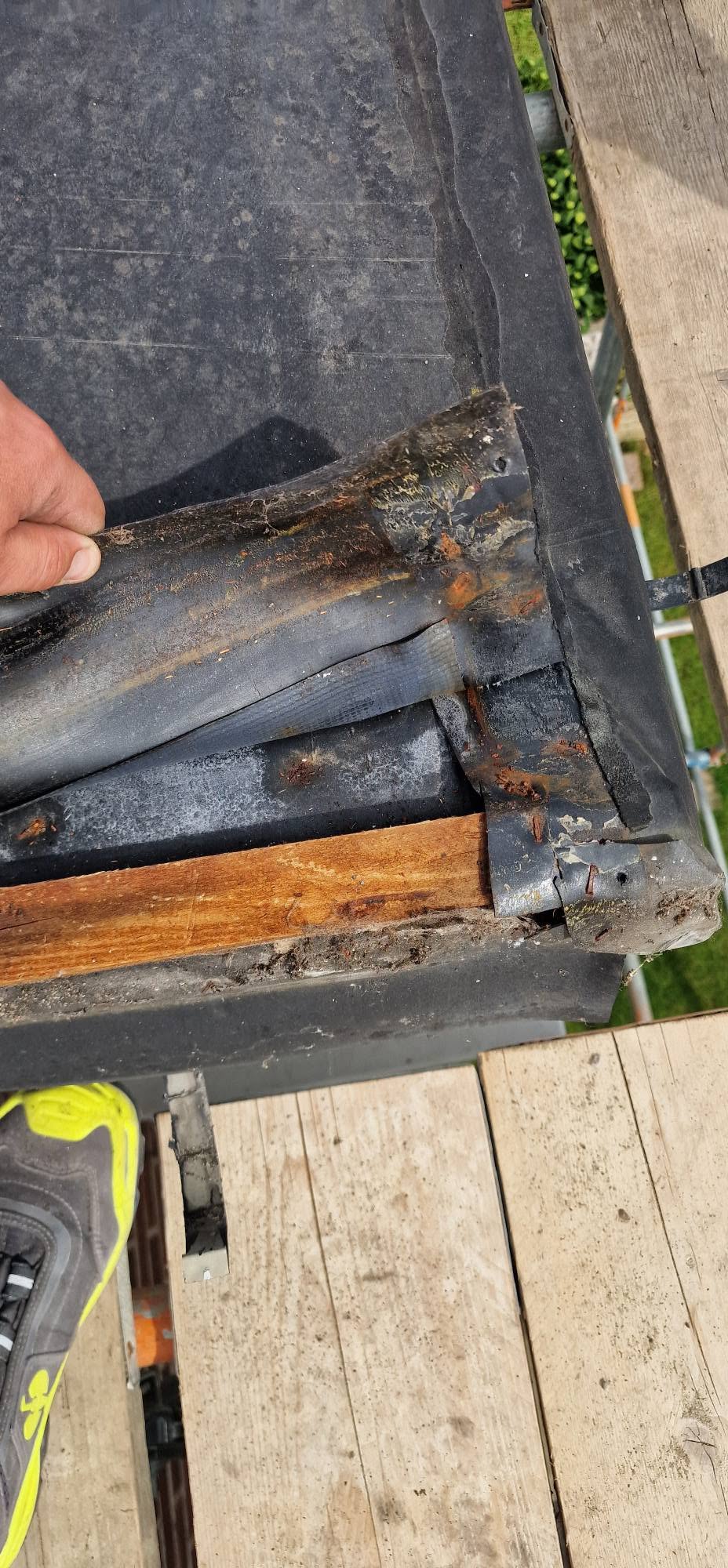
Small splits, blistering or ponding water on flat roofs are easier and often less expensive to address before they spread across a larger area.
Can You Carry Out Roof Maintenance Yourself?
There are some simple checks homeowners can carry out safely from ground level.
However, climbing onto the roof is not recommended.
Working at height carries significant risks, and even experienced professionals use appropriate safety equipment when carrying out inspections and repairs. The Health and Safety Executive provides guidance on the risks associated with roof work and working at height.
For example, you can:
- Look for missing or uneven tiles
- Watch for overflowing gutters during rainfall
- Check ceilings for damp patches
- Look in the loft for signs of moisture if it is safe to do so
- Watch for debris around the property after storms
How Often Should A Roof Be Checked?
There is no single schedule that suits every property, but many homeowners benefit from arranging a professional inspection approximately once a year.
If you’re unsure how frequently your roof should be inspected, our guide on How Often Should a Roof Be Inspected? explains this in more detail.
Additional inspections may be worthwhile:
- After severe storms
- Following prolonged heavy rainfall
- If your roof is older
- If you have a flat roof
- Before winter
- If you've noticed any signs of damage
Why Preventative Maintenance Can Save Money
Emergency repairs are often more disruptive than planned maintenance.
Preventative maintenance also gives property owners more time to make informed decisions, rather than needing urgent repairs during periods of severe weather.
A small repair completed early may prevent:
- Internal water damage
- Damp and mould
- Damaged insulation
- Timber decay
- Ceiling repairs
- Larger roofing projects
Weather Makes Regular Maintenance Even More Important
Properties across West Yorkshire are regularly exposed to heavy rainfall, strong winds and freeze-thaw cycles throughout the year.
These conditions gradually affect roofing materials, particularly on older slate roofs, tiled roofs and traditional Yorkshire stone roofs.
Checking your roof after periods of severe weather can help identify loose tiles, damaged flashing or blocked drainage before these problems develop into emergencies.
Our article on Common Roofing Problems in West Yorkshire explains some of the issues local property owners frequently experience.
When Should You Contact A Professional Roofer?
Prompt inspections often make it easier to resolve problems before emergency repairs become necessary.
If you’ve already noticed signs of damage, our Roof Repairs page explains how roofing issues are assessed and repaired.
Professional advice is recommended if you notice:
- Active roof leaks
- Missing or slipped tiles
- Water stains indoors
- Damaged chimney flashing
- Sagging roof sections
- Persistent overflowing gutters
- Signs of storm damage
Frequently Asked Questions
Can Roof Maintenance Prevent Every Emergency?
No. Unexpected events such as storm damage or falling trees cannot always be prevented. However, regular maintenance can significantly reduce the likelihood of many common roofing emergencies.
Is Roof Maintenance Worth It For Newer Roofs?
Yes. Even relatively new roofs can develop isolated problems caused by weather, movement or accidental damage. Routine inspections help identify these issues early.
Should Gutters Be Included In Roof Maintenance?
Yes. Gutters play an important role in directing water away from your roof and property, making regular cleaning and inspection an important part of roof maintenance.
What Is The Difference Between Roof Maintenance And Roof Repairs?
Roof maintenance focuses on monitoring the condition of the roof and preventing problems where possible. Roof repairs are carried out when damage has already occurred.
What Should I Do If I Think My Roof Needs Attention?
If you’ve noticed signs of wear, leaks or storm damage, arranging a professional inspection is usually the best next step. An experienced roofer can assess the condition of your roof and recommend whether maintenance or repairs are appropriate.
Looking After Your Roof Before Problems Escalate
Regular roof maintenance is one of the simplest ways to reduce the risk of unexpected roofing problems. While it cannot eliminate every emergency, identifying small issues early often helps prevent more extensive repairs, protects your property and gives you greater peace of mind.
If you’re concerned about the condition of your roof or would like professional advice, Alta Roofing can help. Learn more about our Roof Repairs service or contact us through our Contact page to arrange a roof inspection at a convenient time.
