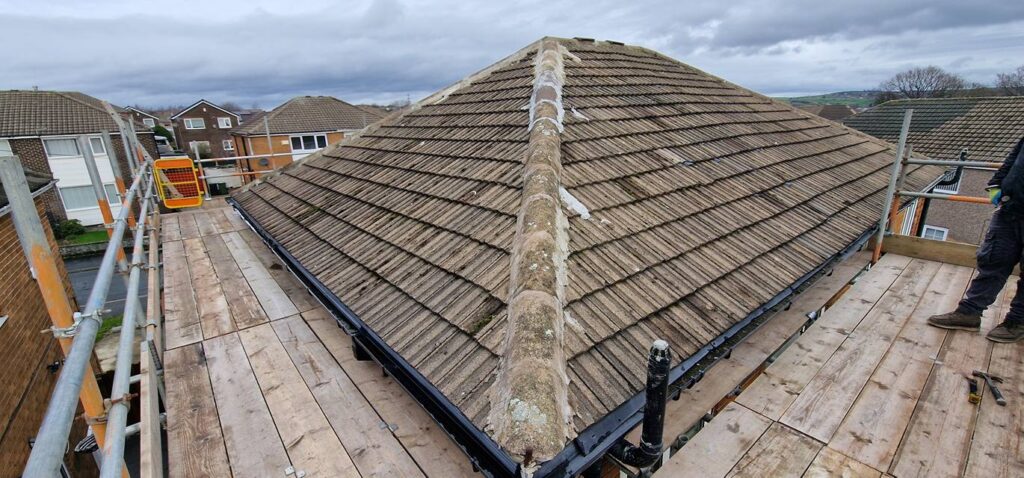
Most roofs should be inspected at least once a year, with extra checks after storms, heavy rain, strong winds, or visible damage. Older roofs, flat roofs, commercial roofs, and properties with chimneys may need more frequent inspections because small issues can develop quickly if they are not spotted early.
Regular roof inspections help identify slipped tiles, damaged flashing, blocked gutters, cracked mortar, and early signs of water ingress before they turn into larger repair problems.
The Simple Answer For Homeowners
As a general rule, arrange a professional roof inspection once every 12 months. You should also check your roof after severe weather, especially if you notice damp patches, missing tiles, overflowing gutters, or debris around the property.
You do not need to climb onto the roof yourself. Roof work involves serious risks, and the Health and Safety Executive highlights roof work as a high-risk activity involving working at height.
Why Regular Roof Inspections Matter
A roof can look fine from the ground while still developing problems beneath the surface. Small defects often become visible only once water has already entered the roof structure.
Regular inspections can help spot:
- Slipped, cracked, or missing tiles
- Deteriorated lead flashing
- Chimney mortar damage
- Blocked or sagging gutters
- Flat roof membrane splits
- Moss build-up trapping moisture
- Early signs of damp in the loft
If damage is already visible, our roof repair services can help identify the cause and recommend the most practical next step.
When Should A Roof Be Checked More Often?
Some properties benefit from inspections more than once a year. This is usually because the roof is older, more exposed, or made from materials that need specialist maintenance.
You may need more frequent inspections if:
- The roof is over 20 years old
- You have a flat roof on an extension, garage, or commercial building
- The property has a chimney
- You have noticed leaks before
- The roof is exposed to strong winds
- There are trees close to the property
- Gutters regularly overflow
- You own or manage a commercial premises
Flat roofing systems should be monitored carefully because standing water, splits, or surface blistering can lead to leaks if left untreated. You can learn more about suitable systems on our flat roofing page.
Should You Inspect A Roof After Bad Weather?
Yes. A roof should be checked after strong winds, heavy rain, storms, or freezing conditions, especially if the property is older or already showing signs of wear.
The Met Office issues UK weather warnings for conditions including wind, rain, thunderstorms, snow, ice, and fog, all of which can affect roof performance depending on severity and exposure.
After bad weather, look safely from ground level for:
- Tiles or slate on the ground
- Uneven sections of roof covering
- New damp marks indoors
- Overflowing gutters
- Loose chimney materials
- Debris around downpipes
- Water pooling on flat roofs
If water is entering the property, our emergency roof repair service may be more suitable than waiting for a routine inspection.
What Does A Roofer Look For During An Inspection?
A professional roof inspection is more detailed than a quick visual check. Roofers look at the roof covering, roofline, drainage, chimney areas, and internal signs of moisture where access is possible.
Common inspection points include:
Roof Coverings
Tiles, slates, and Yorkshire stone roofing are checked for cracks, movement, gaps, and weather-related wear.
Flashing, Valleys & Joints
These are common weak points where water can enter if leadwork, sealants, or surrounding materials have deteriorated.
Chimneys & Mortar
Chimneys are exposed to wind, rain, and frost. Damaged pointing or loose flashing can lead to leaks around chimney breasts. Our chimney repair services cover repointing, leadwork, and stack repairs.
Gutters, Fascias & Soffits
Roofline components help control water flow. If gutters sag or overflow, water can run back towards the roof edge or walls. Our roofline services support drainage and protection around the roof edge.
Internal Warning Signs
Where possible, loft spaces may be checked for damp smells, wet insulation, daylight through the roof, or staining on timbers.
Can You Inspect Your Own Roof?
You can carry out basic visual checks from ground level, but you should not climb onto the roof. Wet tiles, fragile materials, and roof edges create serious safety risks.
Safe checks include:
- Looking for missing or uneven tiles from the ground
- Checking ceilings for water stains
- Looking in the loft if it is safe to access
- Watching for overflowing gutters during rain
- Checking for fallen debris after storms
Professional support is recommended if anything looks unusual or if you are unsure whether damage is cosmetic or structural.
How Often Should Commercial Roofs Be Inspected?
Commercial roofs often need planned inspections because leaks can affect stock, equipment, staff areas, and day-to-day operations. Flat commercial roofs, cladding, gutter seals, and drainage outlets should be monitored regularly.
For many business premises, a yearly inspection is sensible, with extra checks after severe weather or known drainage issues. Larger commercial buildings may need a more structured maintenance schedule.
Our commercial roofing services cover flat roofing, cladding repairs, gutter repairs, and roofing maintenance for business properties.
Signs Your Roof Needs An Inspection Soon
Arrange an inspection if you notice:
- Damp patches on ceilings or walls
- Missing, cracked, or slipped tiles
- Water stains in the loft
- Loose chimney mortar
- Leaking gutters
- Sagging roof sections
- Moss holding moisture on the roof
- Repeated leaks during rainfall
- Unusual draughts in the loft
You can also read our guide to early signs of roof damage homeowners often miss for more practical warning signs.
Why Roof Inspections Are Especially Useful In West Yorkshire
Properties across West Yorkshire are often exposed to heavy rainfall, strong winds, frost, and seasonal temperature changes. Older stone-built homes, slate roofs, Yorkshire stone roofs, and chimney structures can all need careful maintenance as materials age.
A routine inspection can be especially useful before winter, when existing weaknesses are more likely to become noticeable during prolonged wet or windy conditions.
For more local context, our guide to common roofing problems in West Yorkshire explains the issues homeowners often face.
Frequently Asked Questions
For many properties, yes. However, older roofs, flat roofs, commercial roofs, and roofs exposed to severe weather may need extra checks.
Yes, it can be worthwhile. A roof inspection can help identify hidden issues before you commit to major property decisions.
Often, yes. Flat roofs can be more vulnerable to standing water, membrane splits, and drainage issues, so regular checks are important.
Autumn is a useful time because it allows problems to be identified before winter weather. Spring can also be helpful after colder months.
Small problems can lead to leaks, damp, timber decay, insulation damage, and more expensive repairs if left unresolved.
Arrange Practical Roofing Advice Before Small Issues Escalate
Regular roof inspections are one of the simplest ways to protect your property and avoid unnecessary repair costs. If you have noticed signs of damage, are concerned after bad weather, or simply want peace of mind, Alta Roofing can provide clear advice based on the condition of your roof.
To discuss your roof or arrange a professional inspection, contact our team through our contact page.
