
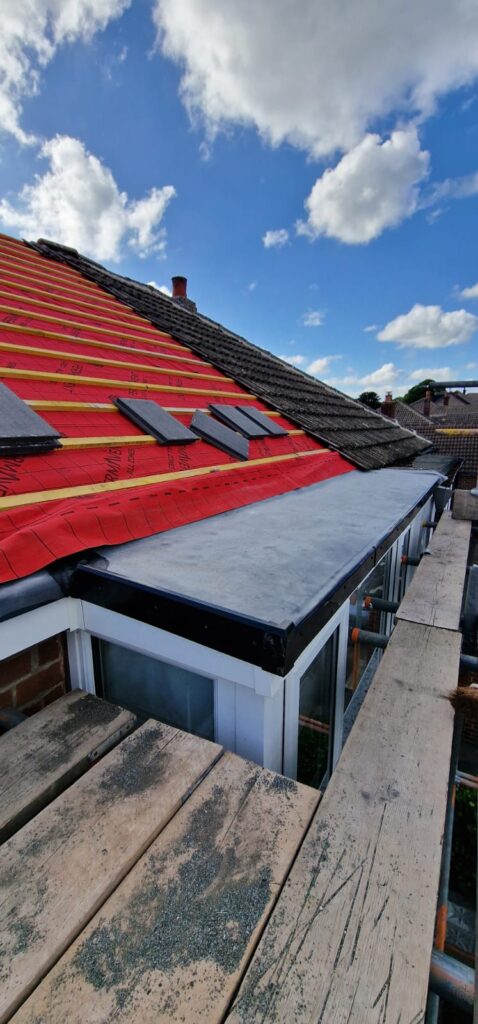
How to Maintain a Roof Throughout the Year
Knowing how to maintain a roof throughout the year can help you spot deterioration before it develops into a more disruptive problem. You do not need to climb onto the roof or carry out repairs yourself. Regular observations from ground level, keeping drainage routes clear and responding to warning signs such as leaks, loose materials or damaged flashing can all make a difference.
The type of maintenance worth prioritising changes with the seasons, so it helps to know what to look for and when.
What Does Good Year-Round Roof Maintenance Involve?
Good roof maintenance is mainly about monitoring the condition of the roof, keeping water drainage working properly and investigating changes before they worsen.
Throughout the year, pay attention to:
- Missing, slipped or visibly damaged tiles
- Changes around ridges, hips and roof edges
- Cracked or deteriorating chimney mortar
- Damaged or displaced flashing
- Water overflowing from guttering
- Debris collecting around roof drainage points
- Damp patches or staining indoors
- Changes to a flat roof, such as visible damage or persistent standing water
- Signs that previous leaks have returned
Many of these checks can be made from ground level or from inside the property.
Accessing the roof itself is different. The Health and Safety Executive describes roof work as hazardous because it involves working at height and stresses the importance of suitable access, planning and fall prevention. Homeowners should therefore avoid treating roof maintenance as a reason to climb onto a roof themselves.
Spring: Look for Problems Left Behind by Winter
Spring is a useful time to look at how your roof has coped with colder, wetter and windier conditions.
Start with a visual check from the ground. Look for tiles or slates that appear to have moved, cracked or gone missing. Pay particular attention to ridgelines, verges and areas around chimneys, as deterioration in these locations can create routes for water to enter.
Inside the property, look through accessible loft areas for signs such as:
- New damp marks
- Water staining
- Wet insulation
- Discolouration around roof timbers
- Daylight appearing where it was not visible previously
Finding a mark does not necessarily tell you where water entered. Rainwater can travel along roof coverings or timbers before becoming visible indoors.
If you notice signs of deterioration, arranging an assessment through Alta Roofing’s roof repair service can help establish the underlying cause.
Check Chimneys & Leadwork
Chimneys are especially exposed to weather.
From a safe position, look for visibly deteriorating mortar, loose materials or obvious changes around the flashing where the chimney meets the roof.
Problems in this area should not be ignored simply because the main roof covering still looks sound. Water can find its way through failed joints and flashing around the chimney.
Alta Roofing also provides dedicated chimney repair services where defects require professional attention.
Summer: Use Better Conditions to Assess the Roof
Roof maintenance is not only a winter concern.
Periods of calmer, drier weather can make it easier to observe the condition of your roof and plan work before harsher weather returns.
Summer is a good time to stand back from the property and look at the overall roofline. Check whether anything appears uneven, displaced or noticeably different from previous months.
You can also look at the visible condition of:
- Tiles and slates
- Ridge and hip details
- Flashing
- Fascias and soffits
- Guttering and downpipes
- Flat-roof coverings that can be viewed safely from the ground or an adjacent window
This is also a sensible opportunity to address defects you already know about rather than waiting until prolonged rainfall exposes them.
Do Not Ignore Small Changes
A minor-looking problem is not automatically an emergency, but changes are worth monitoring.
A single displaced tile, deteriorating section of flashing or damaged roofline component may initially appear insignificant. If it allows water behind the roof covering, however, the effects can extend to underlay, insulation, timber and internal finishes.
Early investigation gives you a clearer idea of whether maintenance or a targeted repair is enough.
Autumn: Prepare Drainage for Increased Rainfall
Autumn roof maintenance should place particular emphasis on water drainage.
Leaves, moss and other debris can collect in gutters and around drainage routes. When rainwater cannot move away effectively, gutters may overflow rather than directing water safely into the downpipes.
From ground level, look for:
- Vegetation or debris visibly building up
- Water spilling over gutter edges during rainfall
- Sagging or displaced sections of guttering
- Water staining beneath the roofline
- Downpipes that appear damaged or disconnected
If parts of the fascia, soffits or guttering are deteriorating, Alta Roofing’s roofline services cover these components as part of protecting the edges of the roof.
Watch the Roof During Rainfall
Rain can sometimes reveal problems that are difficult to notice in dry conditions.
You may see gutters overflowing, water running where it normally would not or damp appearing internally during prolonged rainfall.
Make a note of where and when the problem appears. That information can be useful when a roofer investigates the issue later.
Avoid going onto the roof during wet conditions. Roof surfaces can be slippery, and safe professional roof work requires suitable planning and access arrangements.
Winter: Monitor the Roof Without Taking Risks
During winter, the priority should be observation rather than DIY roof access.
Wind, rain, frost and periods of severe weather can expose weaknesses that were less noticeable during calmer months.
After significant weather, check the property from a safe position for:
- Newly missing or displaced tiles
- Materials that have fallen to the ground
- Changes around chimney stacks
- Visible damage to ridges or roof edges
- New leaks or ceiling stains
- Unexpected water ingress around windows or walls
Not every problem requires an emergency response. However, active water ingress, substantial storm damage or loose roofing materials that could create a safety risk should be assessed promptly.
Alta Roofing’s emergency roof repairs service provides further information about urgent roofing problems.
Do Flat Roofs Need Different Maintenance?
Yes. Flat roofing has different features to monitor because water does not run away in the same way as it does from a pitched roof.
Where the roof can be observed safely, look for changes such as:
- Damage to the visible membrane
- Splits or lifting around joints and edges
- Changes around outlets
- Persistent areas of standing water
- Signs of water ingress beneath the roof
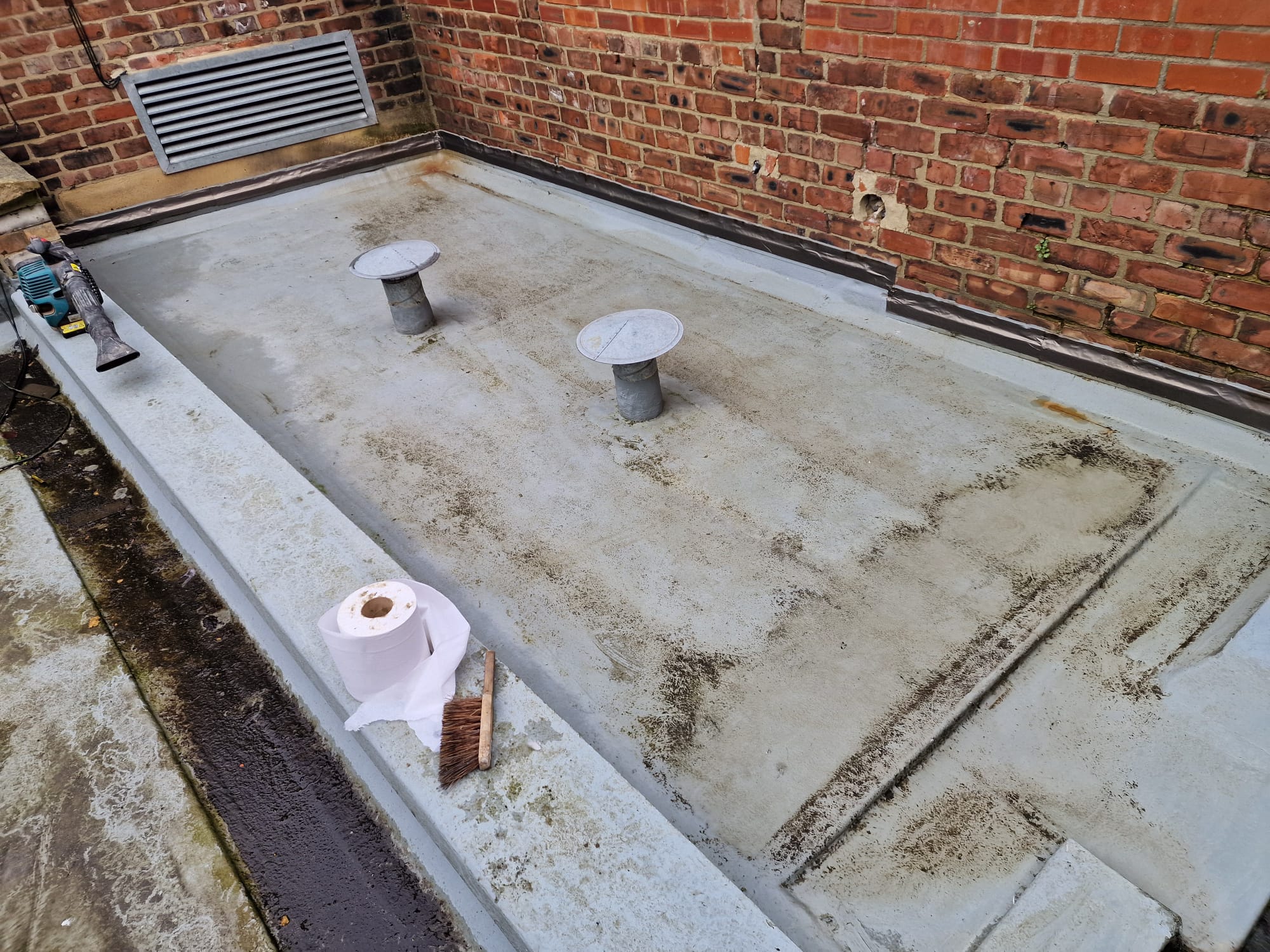
The presence of standing water does not by itself explain the cause, and homeowners should avoid walking across the roof to investigate.
Different systems also behave differently. Felt, liquid-applied coverings and single-ply or EPDM-style membranes each have their own construction and potential failure points.
You can find more information about the systems Alta Roofing works with on the flat roofing page.
Which Roof Checks Can Homeowners Safely Carry Out?
The safest homeowner maintenance is usually observational.
You can:
- Inspect the roof visually from ground level
- Look from an upstairs window where this provides a safe view
- Monitor ceilings and walls for new staining
- Check an accessible loft without approaching unsafe areas
- Observe gutters during rainfall
- Photograph visible changes so you can compare them later
- Note when leaks occur and the weather conditions at the time
You should not climb onto the roof simply to inspect tiles, clear debris or investigate a leak.
HSE guidance makes clear that roof work needs appropriate planning, safe access and measures to prevent falls. Recent HSE cases continue to demonstrate the serious consequences when work at height is carried out without adequate precautions.
If roof access is difficult, a drone roof survey can provide another way of examining visible parts of a roof without relying on an initial manual inspection of every area.
Can Regular Maintenance Prevent Emergency Roof Repairs?
Regular roof maintenance can help identify some problems earlier, but it cannot guarantee that an emergency will never happen.
Storm damage, ageing materials and hidden defects can still cause unexpected problems. The benefit of routine checks is that gradual deterioration may be noticed before it reaches the stage of widespread water ingress or more extensive damage.
That makes maintenance a useful part of property care, rather than a substitute for professional repairs when something has already failed.
Keep an Eye on Your Roof Before Problems Escalate
Year-round roof maintenance does not need to involve complicated DIY work. Paying attention to seasonal changes, drainage, visible deterioration and signs of moisture inside the property can help you recognise when something needs further investigation.
Alta Roofing brings more than 15 years of hands-on roofing experience to homes in Huddersfield and the surrounding area. If you have spotted a change in your roof or are concerned about a recurring problem, you can contact Alta Roofing to arrange an assessment and discuss the appropriate next steps.
