
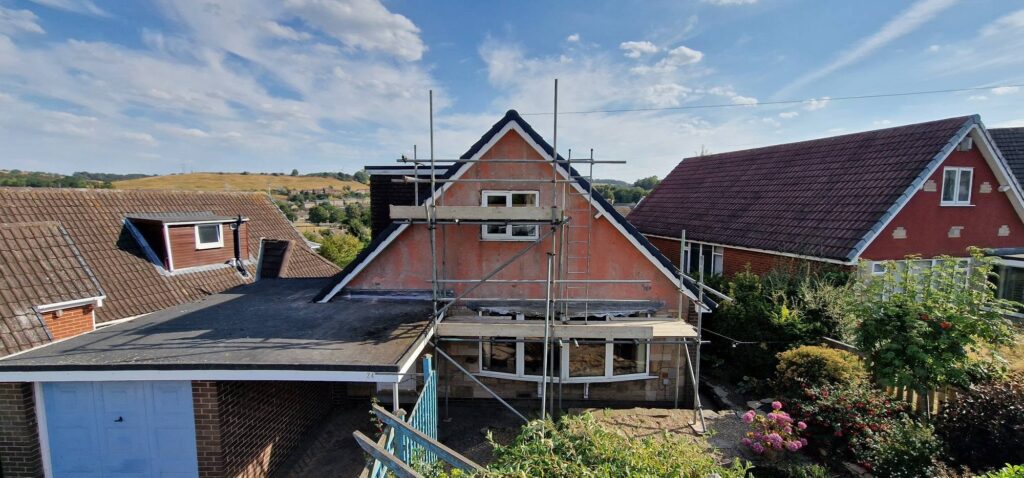
What Factors Affect the Cost of a New Roof?
If you’re considering a roof replacement, one of the first questions you’ll have is how much it will cost. The truth is, there isn’t a single fixed price. The cost of a new roof depends on several factors, including the size of your property, the materials used, and the complexity of the work involved.
Understanding these factors can help you plan ahead, compare quotes more confidently, and avoid unexpected costs later on.
A Quick Breakdown of What Impacts Roof Costs
There isn’t a standard price for a new roof because every property is different. Instead, roofers assess a combination of factors before providing a quote.
In most cases, the cost will be influenced by:
- The size and shape of the roof
- The materials being used
- Ease of access and safety requirements
- Labour time and installation complexity
- Any underlying issues that need attention
These elements all contribute to the final cost, which is why two similar properties can receive very different estimates.
Roof Size, Design & Overall Complexity
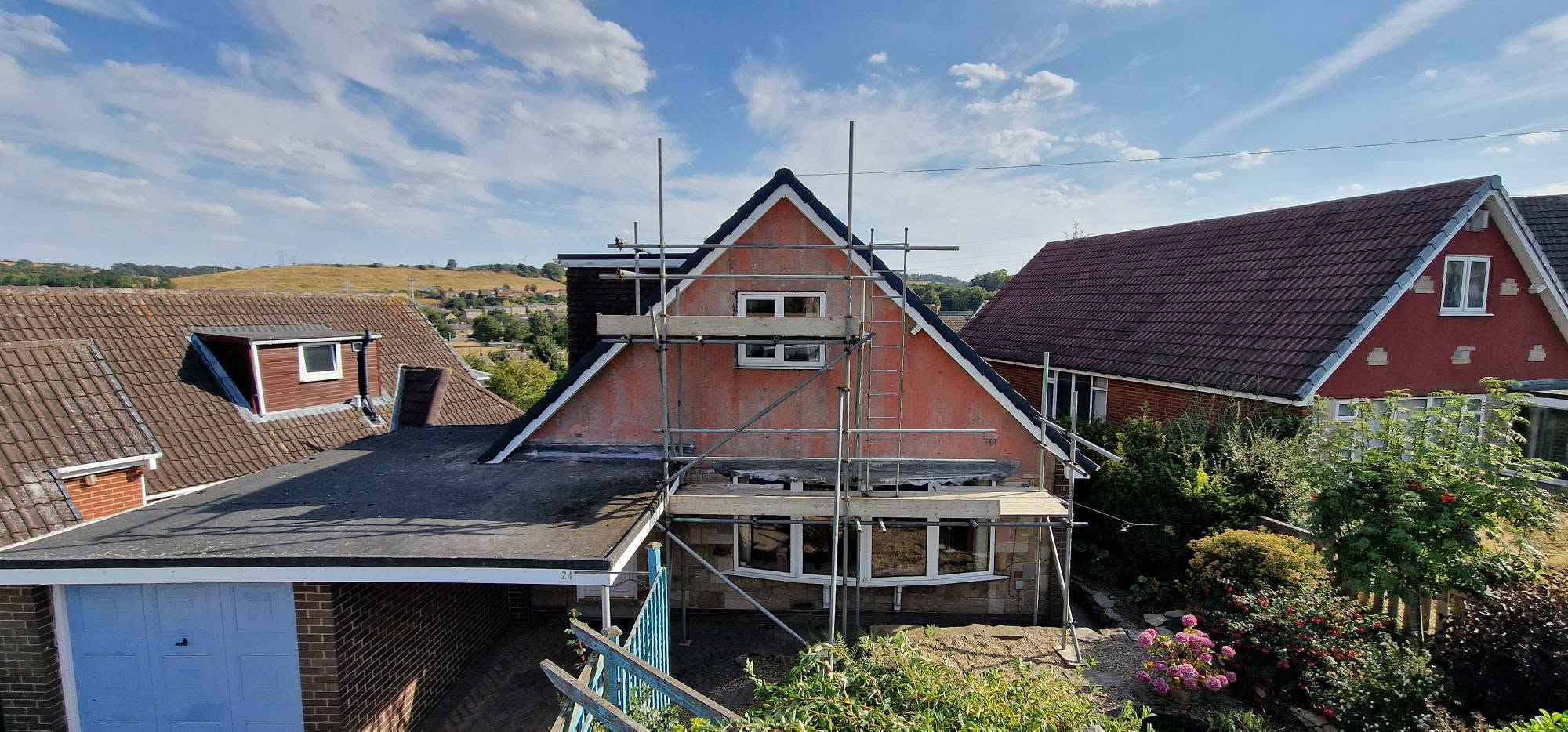
The size of your roof is one of the most obvious cost factors. Larger roofs require more materials and more time to complete, which naturally increases the price.
However, complexity often has an even bigger impact.
Roofs with multiple slopes, dormers, valleys, or extensions require more detailed work. Each junction needs to be carefully constructed to ensure the roof performs properly and remains watertight over time.
Even smaller roofs can become more expensive if the layout makes installation more time-consuming or access more difficult.
The Type of Roofing Materials You Choose
Material choice plays a major role in both cost and long-term performance.
Different materials vary in price, durability, and installation method. For example:
- Traditional materials such as slate are often more labour-intensive
- Modern tiles can provide a more cost-effective alternative
- Flat roofing systems use entirely different materials and techniques
It’s also worth thinking beyond the upfront cost. Some materials last longer or require less maintenance, which can make them more cost-effective over time.
For example, a higher initial investment may reduce the need for future repairs or replacements. The right choice often depends on your property, your budget, and how long you plan to stay in the home.
If you’re unsure which option is most suitable, a professional roof installation and replacement assessment can help you make a more informed decision.
Access, Safety & Scaffolding Considerations
Access is something many people don’t think about until they receive a quote.
If a roof is difficult to reach or positioned in a way that limits safe working access, additional equipment may be required. In many cases, scaffolding is necessary to ensure the work can be carried out safely and properly.
This is particularly common for:
- Taller or multi-storey properties
- Terraced homes with restricted access
- Roofs above extensions or conservatories
While this can add to the cost, proper access allows the work to be completed safely and to a high standard, which is essential for long-term performance.
Labour, Time & Project Duration
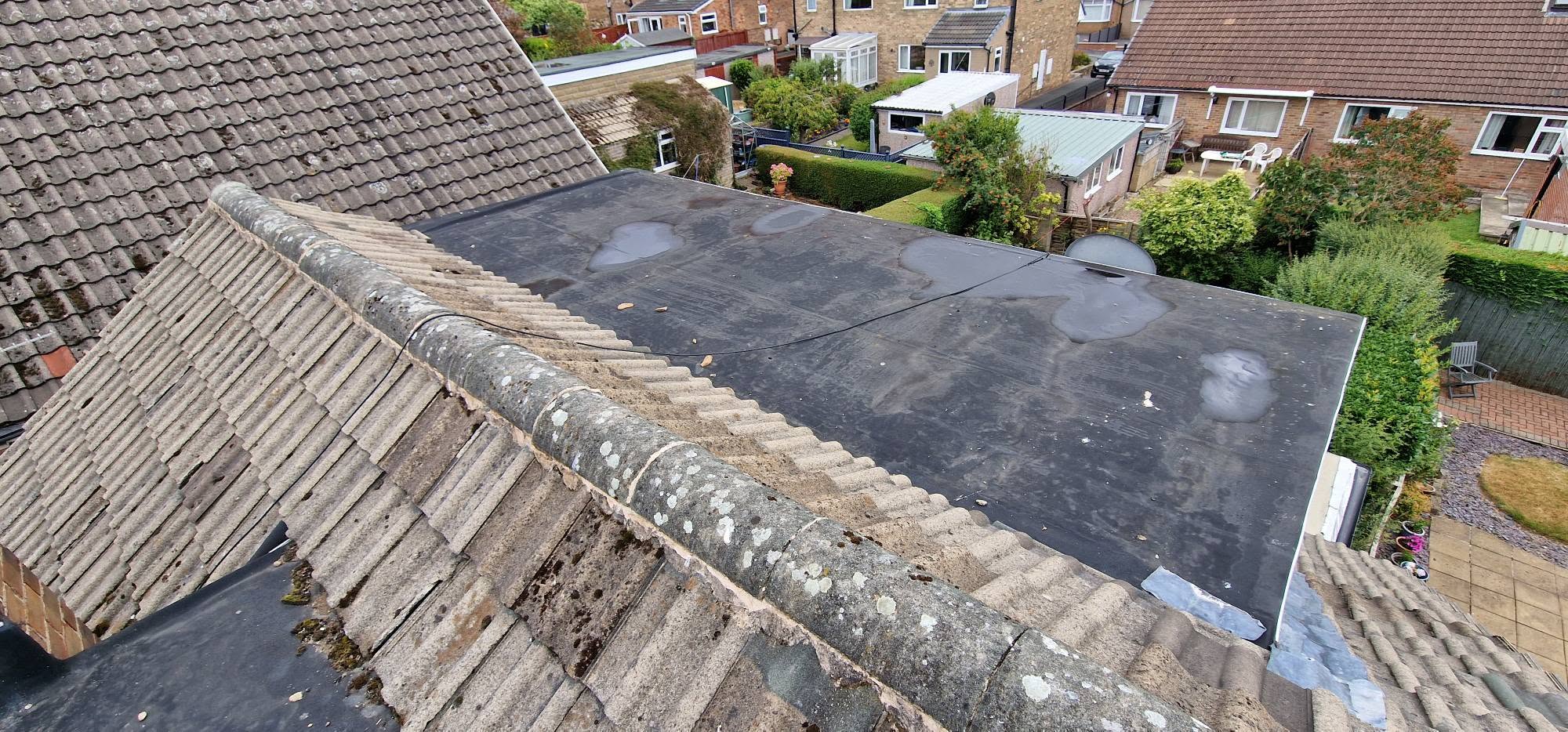
Labour is a significant part of the overall cost of a new roof.
The time required will depend on the size of the roof, the materials being used, and how straightforward the installation is. Weather conditions can also influence how quickly the work progresses.
A simple replacement may take a few days, while more complex projects can take longer. Taking the time to complete the work properly helps ensure the roof performs as expected and reduces the risk of issues later on.
Additional Features That Can Affect Cost
A roof is more than just its covering. Other elements can influence the overall scope of work.
These may include:
- Chimneys and associated leadwork
- Fascia, soffits, and guttering
- Roof windows or skylights
- Ventilation improvements
If these features need to be repaired, replaced, or upgraded at the same time, they will be factored into the overall cost.
Why Two Quotes Can Be Very Different
It’s not unusual to receive different quotes for the same project.
This can be due to:
- Different materials being recommended
- Variations in what is included within the quote
- Differences in access planning or safety requirements
- The level of detail provided
It’s always worth looking beyond the final figure. One quote may include scaffolding, waste removal, and underlying repairs, while another may only cover the visible work.
Understanding exactly what is included allows you to make a fair comparison rather than choosing based on price alone.
When Is It Better to Replace Rather Than Repair?
Sometimes the key decision isn’t just about cost, but whether a replacement is the more practical option.
In general, a full replacement may be more suitable when:
- Repairs are becoming more frequent
- The roof is nearing the end of its lifespan
- Multiple areas are showing signs of failure
- Underlying issues are affecting performance
In these situations, continuing to repair individual sections can become less cost-effective over time.
If you’re unsure, a professional assessment can help you understand whether repair or replacement is the better long-term option for your property.
Frequently Asked Questions
Is there a typical cost for a new roof?
There isn’t a fixed price, as costs vary depending on the size, materials, and complexity of the roof. A professional inspection is the best way to get an accurate estimate.
Can I reduce the cost of a new roof?
In some cases, choosing alternative materials or addressing issues earlier can help manage costs. However, reducing quality can lead to more expensive problems later.
How do I know if I need a new roof or repairs?
This depends on the condition of the roof. Minor issues can often be repaired, but widespread wear or structural problems may make replacement the more practical option.
Will I always need scaffolding?
Not always, but it is commonly required to ensure safe access and proper installation, particularly on larger or more complex roofs.
How long does a roof replacement usually take?
Most projects take a few days to a week, depending on the size of the roof and the complexity of the work involved.
Planning Ahead Helps You Avoid Unexpected Costs
Understanding what affects the cost of a new roof puts you in a stronger position when planning your project. Rather than focusing on a single figure, it’s more useful to understand what’s included and why.
If you’d like advice based on your property, you can get in touch with our team to discuss your options and arrange a no-obligation quote.
