
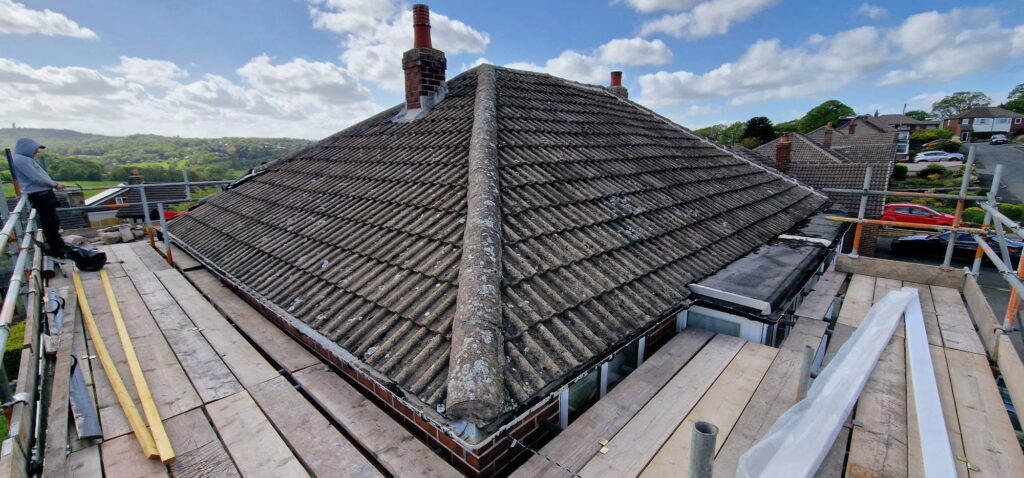
Contacting a roofer for repairs can feel daunting, especially if you’ve never needed roofing work before or you’re dealing with a leak after bad weather. You may be wondering what information you’ll need to provide, whether someone will visit your property, how quotes are prepared, or how quickly repairs can begin.
Understanding the process can help you feel more confident and make it easier to choose a roofing contractor who communicates clearly and provides honest advice. While every roofing company works slightly differently, most professional roof repair enquiries follow a similar process from your first call through to any recommended work.
What Usually Happens After You Contact a Roofer?
In most cases, contacting a roofer starts with a conversation about the problem you’re experiencing. The roofer will usually ask a few questions to understand the issue before deciding whether a site visit is needed.
For urgent situations, such as active leaks or storm damage, the response may be quicker to help prevent further damage to your property.
Depending on the situation, the next steps may include:
- Discussing the symptoms you've noticed
- Arranging a convenient inspection
- Assessing the condition of the roof
- Explaining any issues found
- Providing a written quotation
- Agreeing a suitable date for repairs if you decide to proceed
Be Ready To Describe The Problem
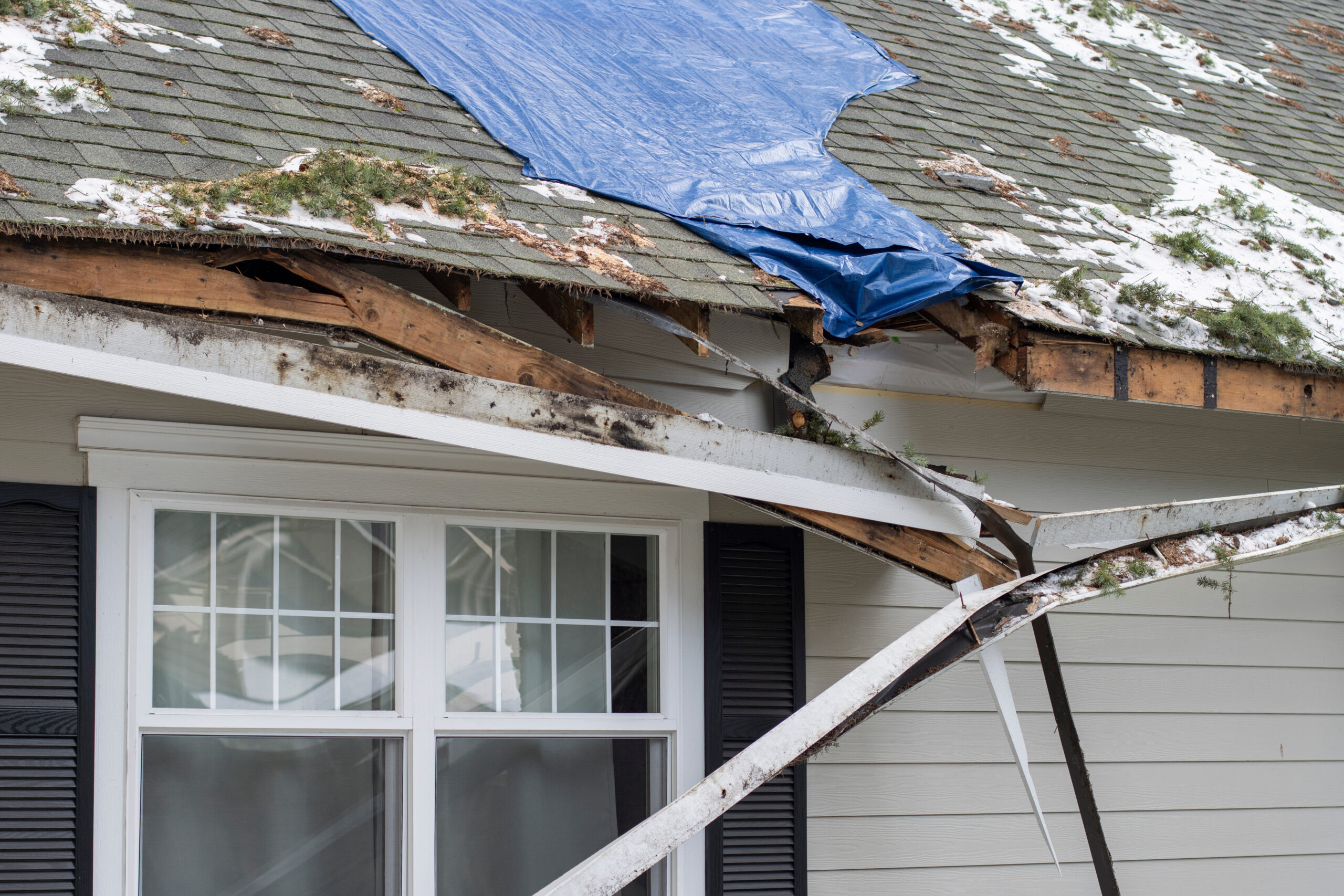
You don’t need to know exactly what’s wrong with your roof before making contact. However, providing as much information as possible helps the roofer understand what they may be dealing with.
Even if you’re unsure of the cause, describing what you’ve seen is usually enough for an experienced roofer to decide on the next steps.
Useful information includes:
- When you first noticed the problem
- Whether the issue appeared after bad weather
- The location of any leaks or damp patches
- Any visible damage from ground level
- Whether repairs have been carried out previously
- The type of property and roof, if you know it
Why A Roof Inspection Is Usually Necessary
Many roofing problems cannot be diagnosed accurately over the phone.
For example, a stain on your ceiling may be caused by damaged flashing, slipped tiles, blocked gutters or deterioration elsewhere on the roof. Water often travels before becoming visible indoors, meaning the source of the leak isn’t always directly above the affected area.
If you’re interested in learning more about how roofing work is carried out after an inspection, our guide to what to expect during a professional roof repair explains the repair process in more detail.
A professional inspection allows the roofer to assess:
- Roof coverings
- Flashing and leadwork
- Ridge and verge tiles
- Chimneys
- Valleys
- Flat roofing systems
- Fascias, soffits and guttering where relevant
What Will The Roofer Be Looking For?
The purpose of an inspection isn’t simply to confirm the obvious problem. An experienced roofer will also look for any underlying issues that could lead to further damage if left unresolved. This may include:
Signs Of Water Ingress
Leaks, damp insulation, staining and moisture around roof timbers can indicate that water has been entering the property for some time.
Damaged Roofing Materials
Cracked tiles, missing slates, deteriorated felt or damaged flat roof membranes are common causes of roof repairs.
Chimney And Flashing Problems
Lead flashing and chimney mortar often deteriorate over time and can allow water into the roof structure.
Roofline Issues
Blocked gutters or damaged fascias and soffits can contribute to water overflowing and affecting the edge of the roof.
When Will You Receive A Quote?
Most reputable roofing companies will inspect the roof before providing a quotation, unless the work is very straightforward.
This gives you the opportunity to understand exactly what is being recommended before making a decision.
A written quote should clearly explain:
- The work recommended
- Why the repairs are needed
- Any materials likely to be used
- Any access requirements
- The next steps if you choose to proceed
Can Repairs Be Completed Straight Away?
That depends on the nature of the problem.
Minor repairs may sometimes be completed quickly if materials are available and the issue is straightforward. More extensive work may need to be scheduled, particularly if scaffolding or specialist materials are required.
Emergency situations, such as significant leaks following storms, are often prioritised to help make the property safe before permanent repairs are carried out.
Questions You May Want To Ask Your Roofer
It’s perfectly reasonable to ask questions before agreeing to any roofing work.
A professional roofer should be happy to explain their recommendations in straightforward language.
You might ask:
- What has caused the problem?
- Is repair the most suitable option?
- Could the issue become worse if left?
- Will additional problems need attention?
- How long is the work likely to take?
- Is access equipment required?
Common Mistakes To Avoid
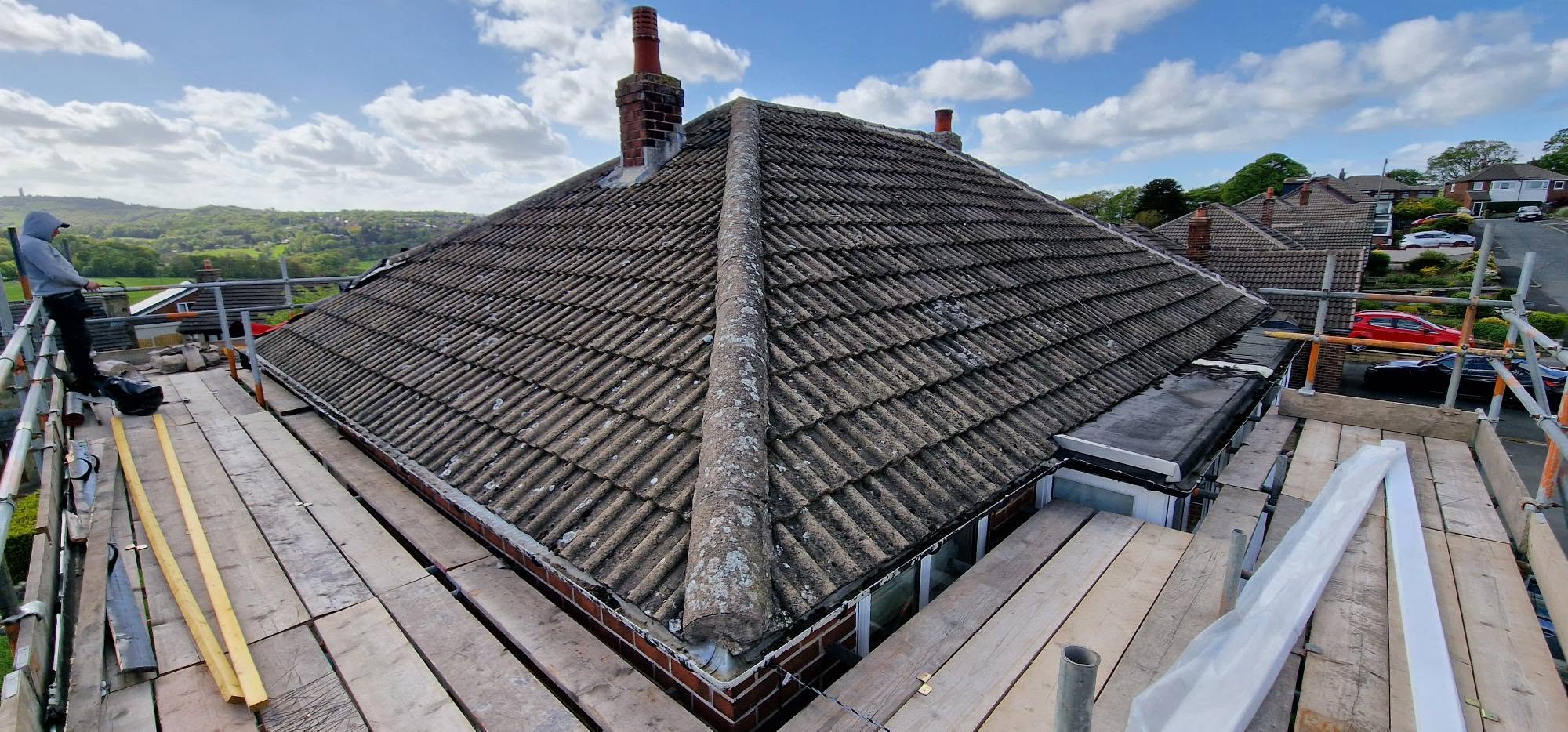
When arranging roof repairs, there are a few common mistakes worth avoiding.
The Health and Safety Executive advises that roof work involves significant risks due to working at height, which is why inspections and repairs should be carried out safely by competent professionals.
These include:
- Waiting until a small leak becomes a larger problem
- Trying to diagnose the roof from inside the property alone
- Climbing onto the roof yourself
- Accepting a repair recommendation without understanding what it includes
- Delaying inspections after storms or prolonged heavy rainfall
When Should You Contact A Roofer Immediately?
Some roofing issues shouldn’t be left for routine maintenance.
If the issue is urgent, you may find our emergency roof repairs page helpful.
You should arrange professional advice as soon as possible if you notice:
- Water actively entering your property
- Missing tiles after high winds
- Sagging sections of roof
- Loose chimney materials
- Large areas of storm damage
- Persistent leaks during rainfall
Frequently Asked Questions
Do I Need To Know What's Wrong Before Calling A Roofer?
No. Simply describing the symptoms you’ve noticed is usually enough for an experienced roofer to decide whether an inspection is needed.
Will A Roofer Always Need To Visit My Property?
For most repairs, yes. A site visit allows the roofer to assess the roof properly and identify the underlying cause of the problem.
How Long Does A Roof Inspection Take?
Inspection times vary depending on the size and complexity of the property, but many routine inspections can be completed within a relatively short visit.
Can A Roofer Tell Me Whether I Need A Repair Or A Replacement?
Yes. After assessing the condition of the roof, they can explain whether a repair is likely to be sufficient or whether replacement should be considered. Our guide on how roofers decide between repairing or replacing a roof explores this in more detail.
Should I Contact A Roofer After Every Storm?
Not necessarily, but it’s sensible to arrange an inspection if you’ve noticed leaks, missing tiles, debris on the ground or any visible signs of damage following severe weather.
Taking The First Step Towards A Safe, Reliable Roof
Knowing what to expect when you contact a roofer for repairs can remove much of the uncertainty surrounding the process. A professional roofing contractor should take the time to understand the problem, inspect the roof carefully, explain their findings clearly and provide practical recommendations based on the condition of your property.
If you’ve noticed signs of roof damage or would like professional advice, Alta Roofing can help. You can learn more about our roof repairs service or get in touch through our contact page to arrange an inspection at a convenient time.
